Office: (001) 212 998 8422
Mailing Address Professor James W. Canary Department of Chemistry New York University 100 Washington Square East New York, NY 10013
Lab Location Centrally located in Greenwich Village, the lab can be easily reached by subway from anywhere in the city.

DNA-based Assembly of Materials for Nanoelectronics and Photonics Applications.

Canary Research Lab > News > Research > DNA-based Assembly of Materials for Nanoelectronics and Photonics Applications.
Dec 26, 2019 Posted by: canaryresearchlab Research

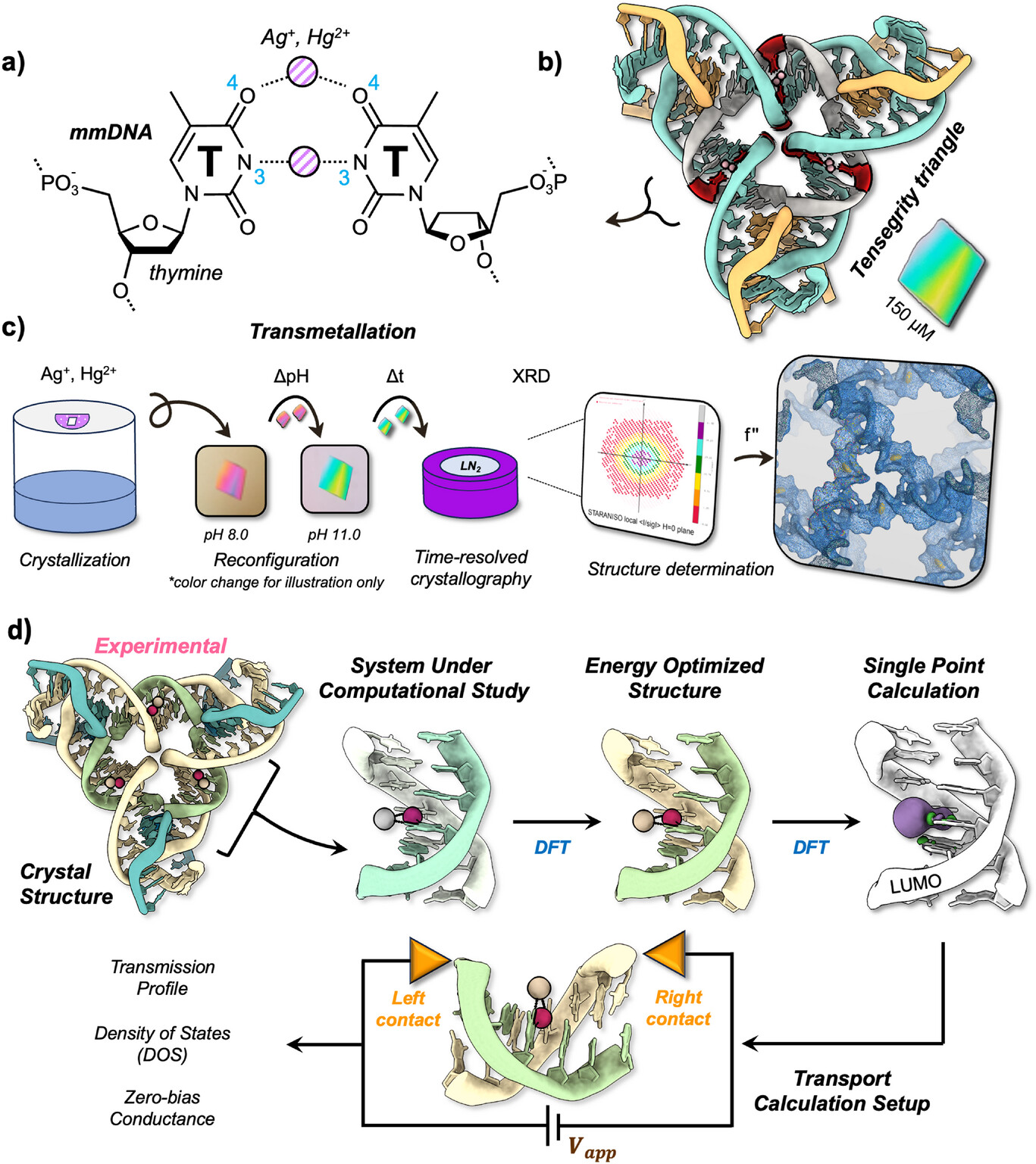
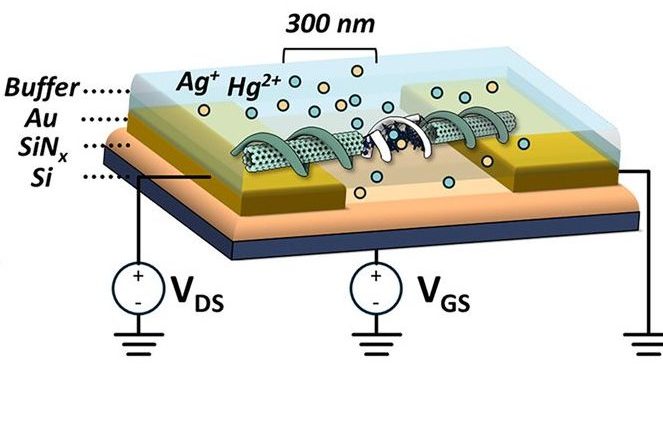
Metal-Mediated DNA Memory

We explore DNA architectures in which metal coordination enables electrically addressable, memory-like behavior. By incorporating metal-mediated base pairing and coordination motifs into designed DNA lattices, we investigate mechanisms for information storage, switching, and signal retention at the molecular scale.

Liu, B.; et al. Electrical Control of a Metal-Mediated DNA Memory, Matter (2025); Lu, B.; et al. Heterobimetallic Base Pair Programming in Designer 3D DNA Crystals, J. Am. Chem. Soc. (2023); Vecchioni, S. A.; et al. Metal-Mediated DNA Nanotechnology in 3D: Structural Library by Templated Diffraction, Advanced Materials (2023)
Organic Semiconductors in DNA Lattices

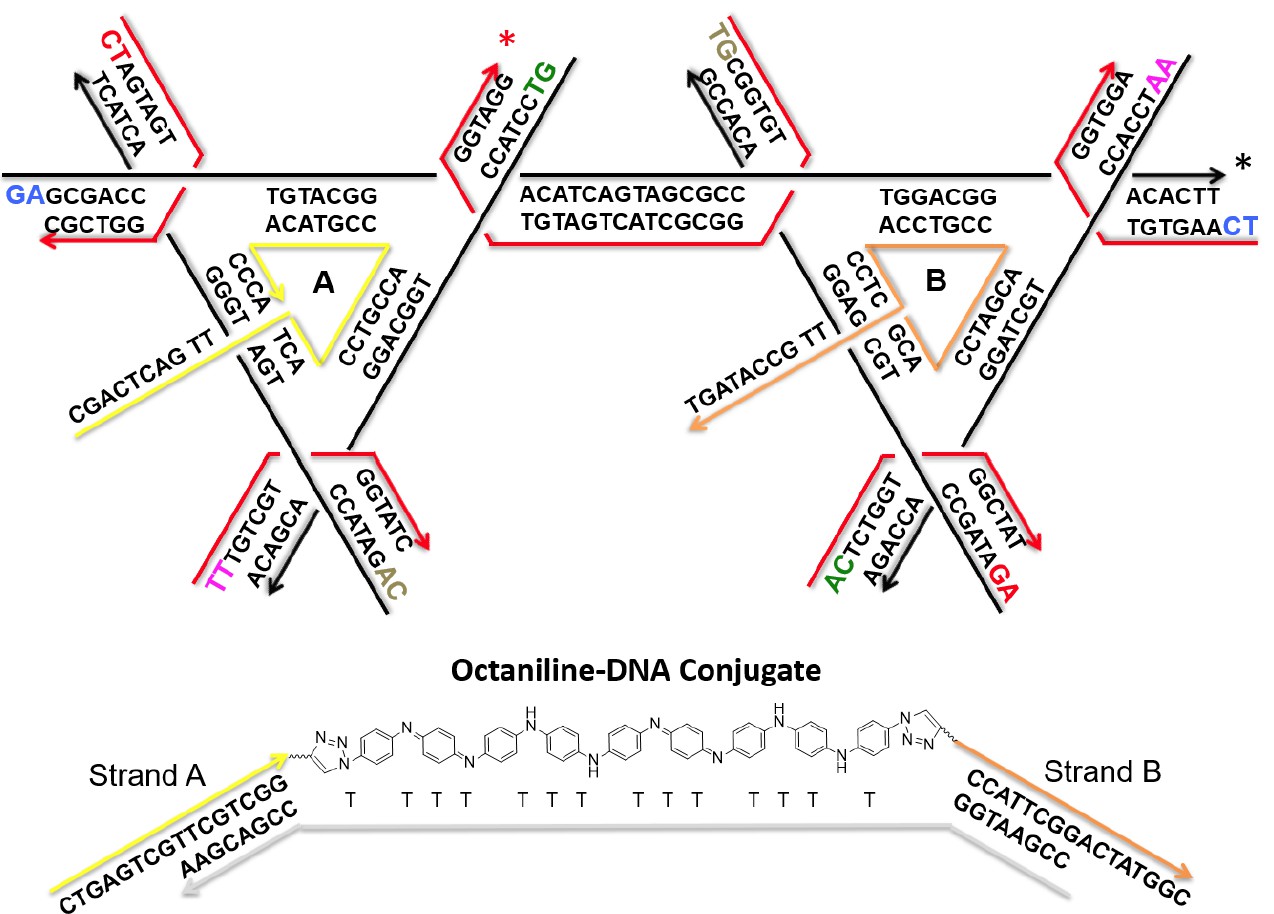
We organize organic semiconductor molecules into highly ordered three-dimensional DNA lattices, enabling precise spatial control over electronic and excitonic interactions. These systems provide a platform for studying structure–property relationships in DNA-templated semiconductor assemblies.

Wang, X.; et al. Exciton Delocalization in a DNA-Templated Organic Semiconductor Dimer Assembly, ACS Nano (2022); Wang, X.; et al. Orienting an Organic Semiconductor into DNA 3D Arrays by Covalent Bonds, Angew. Chem. Int. Ed. (2022); Wang, X.; et al. An Organic Semiconductor Organized into 3D DNA Arrays via Bottom-Up Rational Design, Angew. Chem. Int. Ed. (2017)

Electro-Optical Modulation

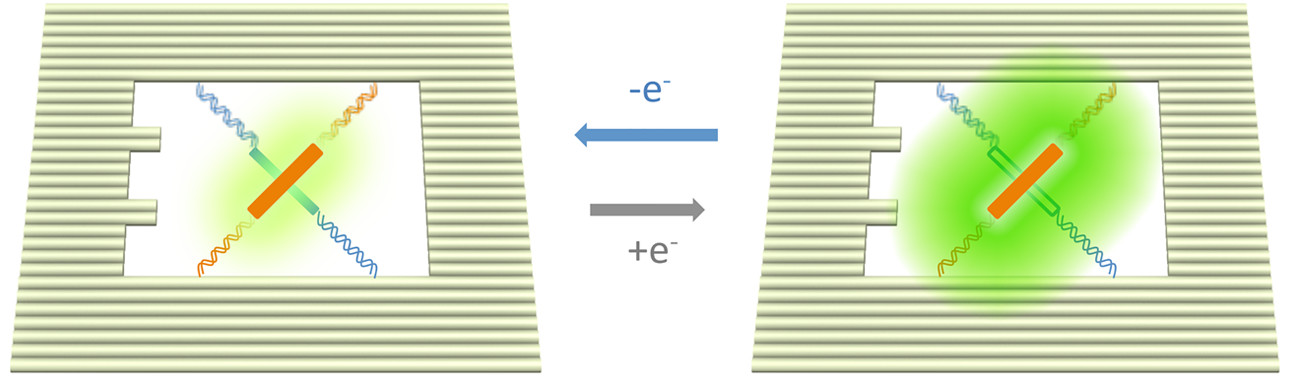
We develop DNA-based materials that couple electrical inputs to optical responses. By integrating electronically active components into programmable DNA architectures, we demonstrate dynamic electro-optical modulation and explore pathways toward responsive, reconfigurable nanomaterials.

Wang, X.; et al. Construction of a DNA Origami–Based Molecular Electro-Optical Modulator, Nano Letters (2018)

Transmetalation for DNA Electronics

This direction focuses on using controlled transmetalation reactions within DNA frameworks to tune electronic properties. By selectively exchanging metal centers in DNA-based architectures, we achieve chemical control over charge transport and electronic functionality in programmable molecular systems.

De, A.; et al. Transmetalation for DNA-Based Molecular Electronics, Small (2025) Lu, B.; et al. Heterobimetallic Base Pair Programming in Designer 3D DNA Crystals, JACS (2023)